MikroTik Router Infrastructure Implementation
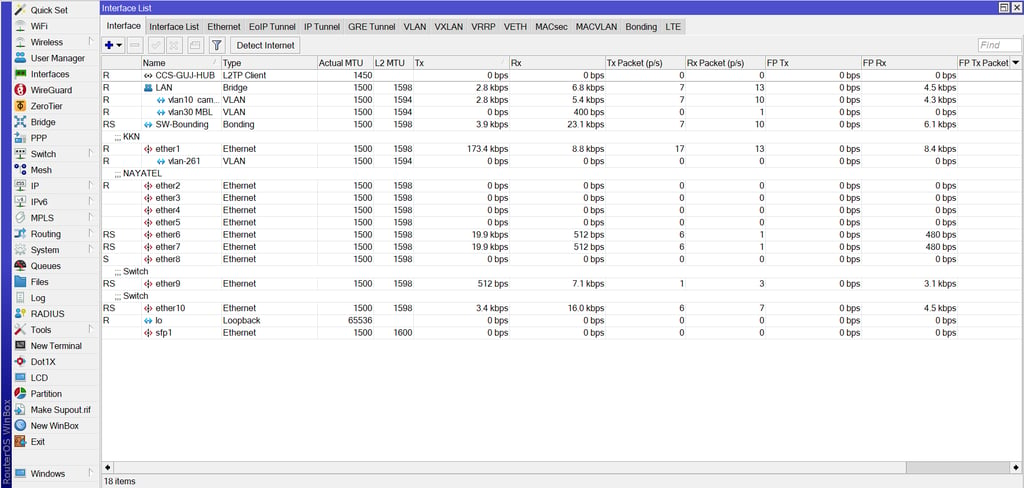
Description:
The MikroTik Router Infrastructure project aims to design, deploy, and optimize a scalable and secure network using MikroTik routers to ensure high-performance connectivity across the organization. This project focuses on enhancing network reliability, security, and manageability by leveraging MikroTik's advanced routing, firewall, and bandwidth management capabilities.
The scope of the project includes:
1.Network Design and Planning:
Assessing current network requirements and future scalability needs.
Designing an optimized network topology with redundancy and failover mechanisms.
Selecting appropriate MikroTik router models for different network segments.
2.Router Configuration and Deployment:
Configuring routers for dynamic routing protocols (OSPF, BGP, or RIP) to optimize traffic flow.
Implementing VLANs, NAT, and firewall rules to segment the network securely.
Setting up VPN tunnels for secure remote access and inter-office connectivity.
3.Bandwidth Management and QoS:
Configuring traffic shaping and queue management to ensure optimal network performance.
Prioritizing critical applications and controlling bandwidth usage per department or service.
Objectives:
Improve network reliability and uptime.
Ensure secure, segmented, and controlled network access.
Optimize bandwidth utilization and reduce congestion.
Provide scalable infrastructure to accommodate future growth.Improve network reliability and uptime.
Ensure secure, segmented, and controlled network access.
Optimize bandwidth utilization and reduce congestion.
Provide scalable infrastructure to accommodate future growth.
Expected Outcomes:
A fully operational MikroTik-based network infrastructure.
Enhanced security with controlled access and firewall policies.
Centralized network monitoring and management.
Efficient bandwidth utilization and improved user experience.
4.Monitoring and Maintenance:
Deploying MikroTik monitoring tools (The Dude, SNMP, or MikroTik Cloud) for real-time network insights.
Establishing a maintenance plan for firmware updates, backups, and performance audits.